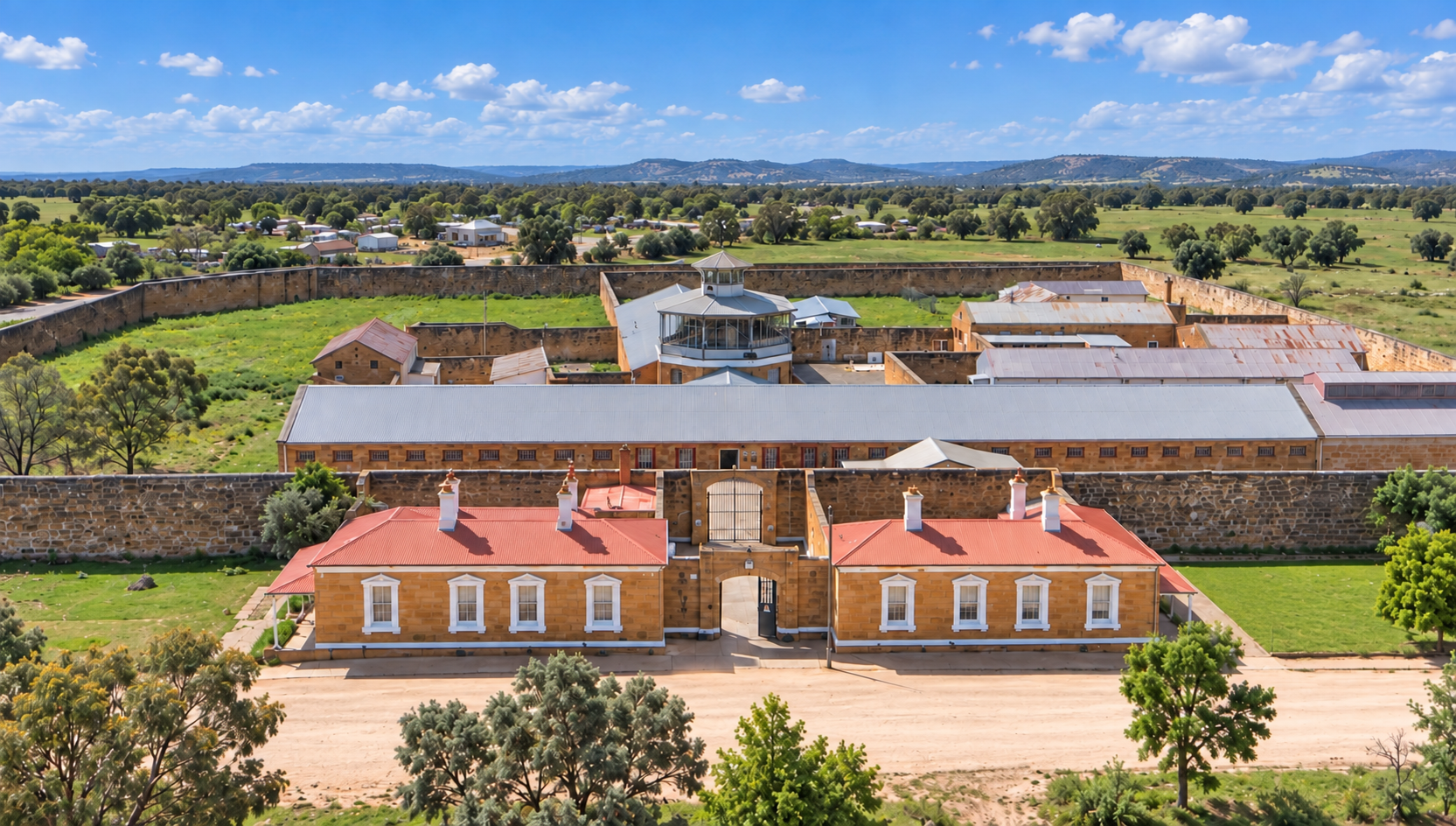
South Australia · 33°15′43″S, 138°21′22″E
Gladstone GaolWard Street, Gladstone, South Australia 5473
Where History, Mystery and Community Meet
Where History, Mystery and Community Meet
Discover Gladstone Gaol—a remarkable heritage destination with stories to share and spaces to bring people together.
Explore its fascinating past on a daytime tour, discovering the lives of those who lived and worked within its imposing stone walls. After dark, join a ghost tour for atmospheric storytelling, intriguing legends and a few goosebumps along the way!
Beyond the tours, the Gaol offers a distinctive setting for events, celebrations and creative experiences.
Whether you’re visiting for history, a little mystery or a special occasion, discover a place where the past inspires new possibilities.
1881
Year Built
A Glimpse Inside
Explore Gladstone Gaol, where every corner has a story to tell. Immerse yourself in living history as you uncover fascinating stories and discover the people who shaped this remarkable place.
01 / 07
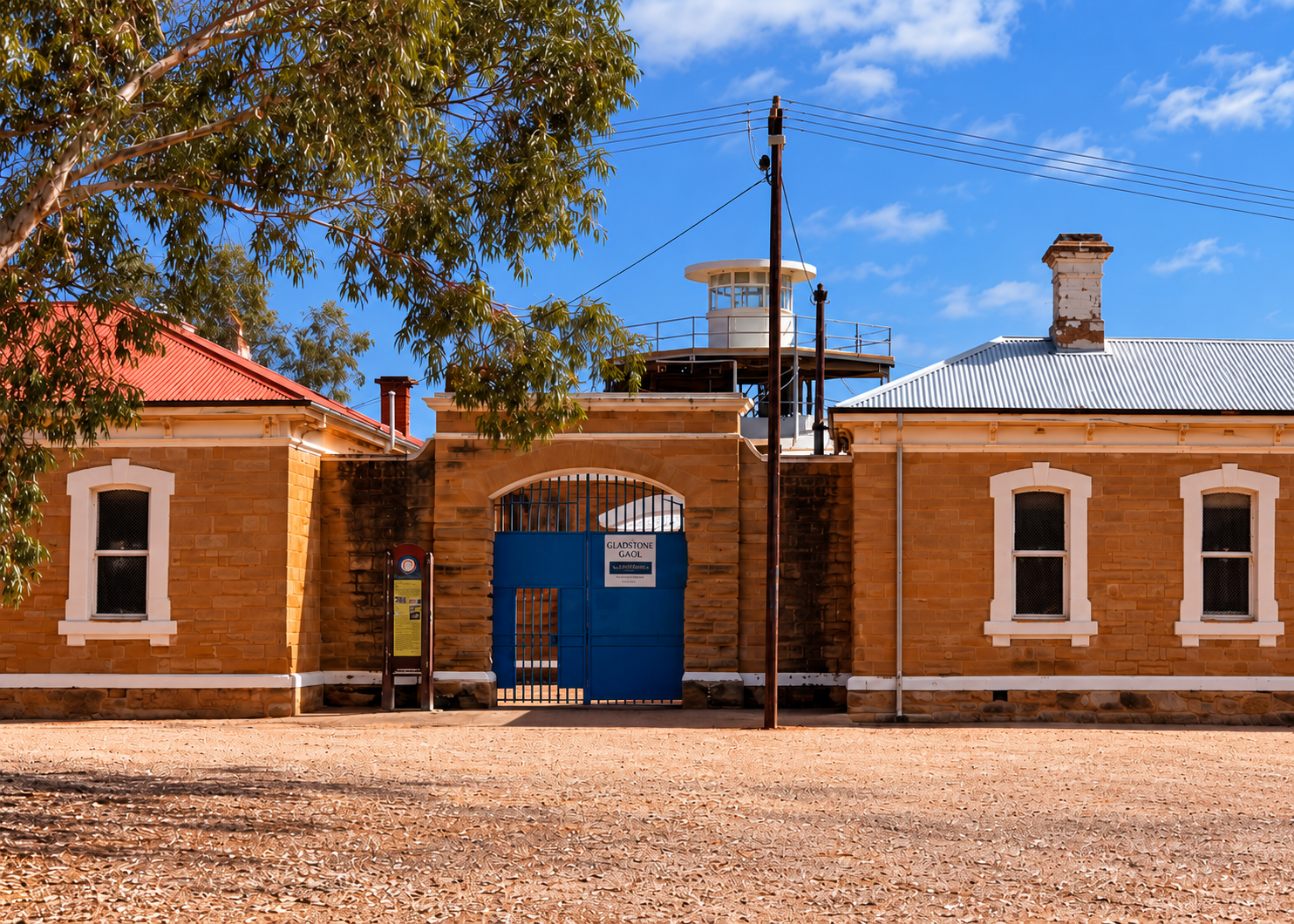
The Warden’s House
Discover a different side of prison life at the Warden’s House at Gladstone Gaol. Once home to senior prison officers, this historic residence brings together the stories of daily life and duty, just steps from the gaol they served. Gladstone Gaol operated between 1881 and 1975, including service as a military detention barracks during the Second World War. While the cells tell the stories of prisoners, the staff residences offer a glimpse into the lives of those responsible for maintaining order. And perhaps someone is still keeping watch. Stories persist of an authoritative presence said to patrol the halls long after duty should have ended. Some visitors describe a curious feeling of being observed, as though the warden’s watch has never quite finished.
02 / 07
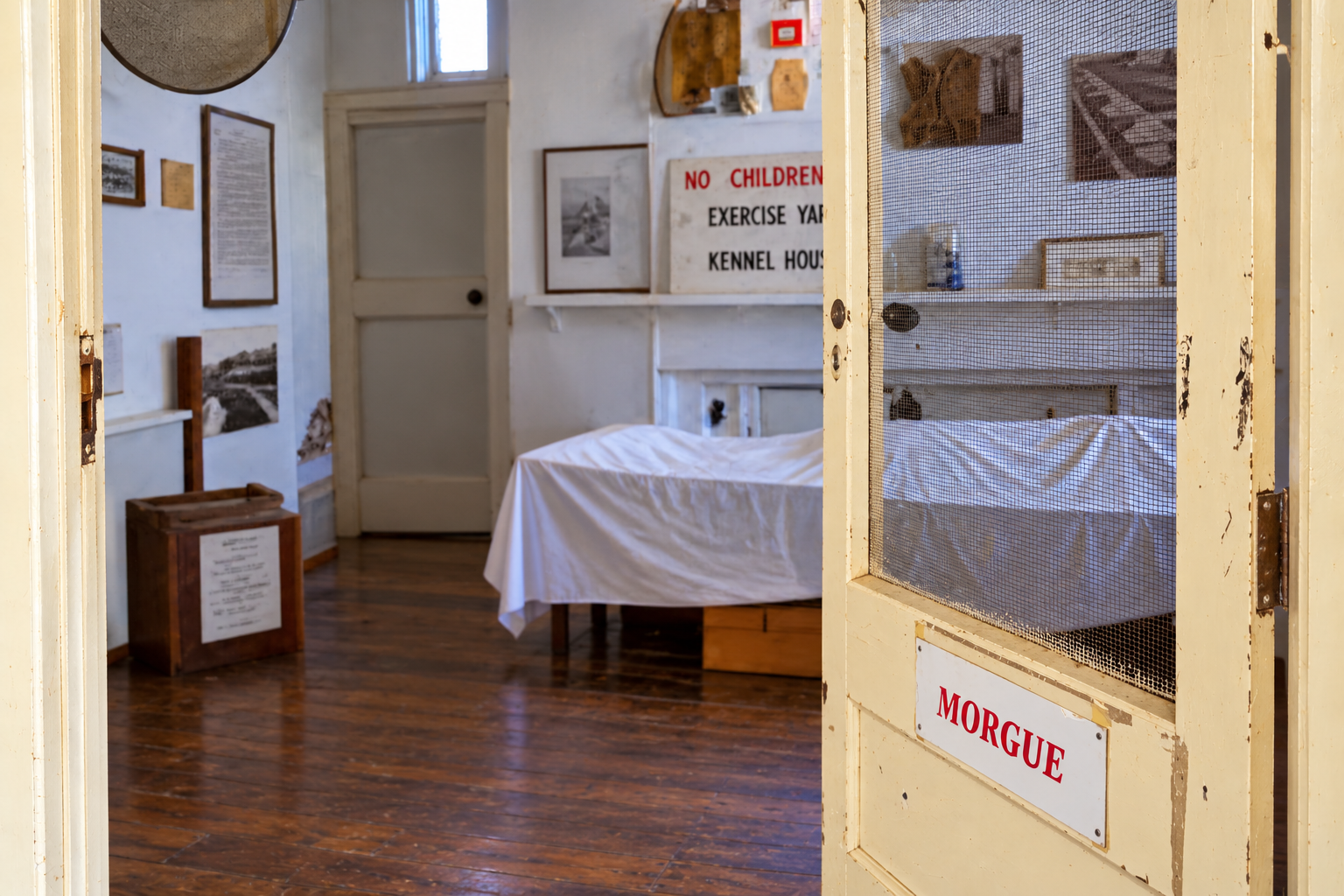
The Morgue
Step inside the morgue at Gladstone Gaol, a sombre space connected with the stories of those whose lives ended behind prison walls. Today, the morgue has had its fair share of paranormal activity. Visitors have reported sudden cold spots, an unexplained heaviness and the unsettling sensation that the room is not quite empty. Some associate these experiences with those who never returned home — stories that lend this quiet space a lingering sense of mystery.
03 / 07
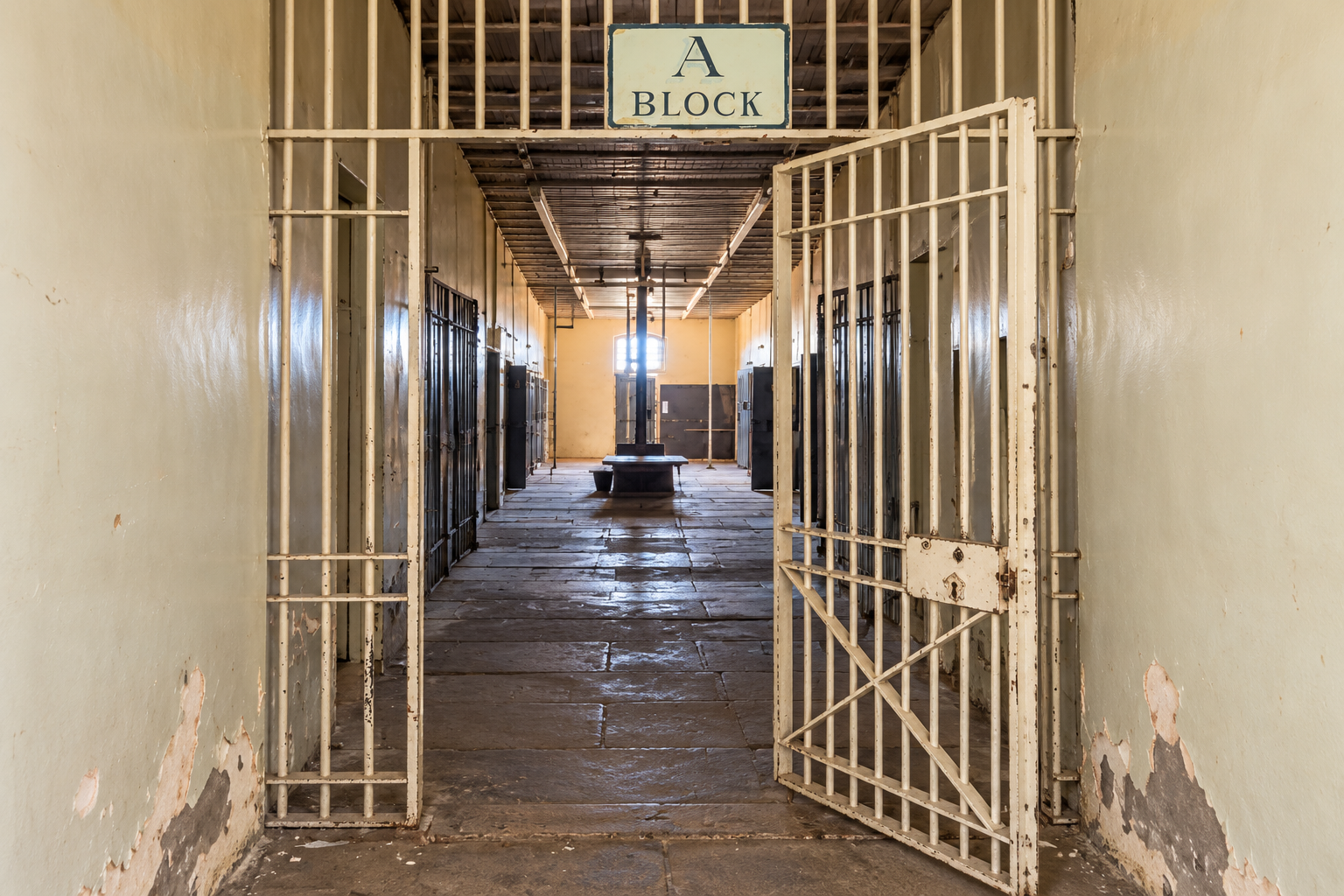
A Block
A Block was the women’s section of Gladstone Gaol, where the first seven female prisoners arrived from Adelaide in August 1881, shortly after the gaol opened. Life here followed a strict routine under the Matron’s watchful supervision. Women washed linen, sewed and repaired prison clothing, and carried out laundry work for the gaol and local businesses. Visitors have reported whispers, unseen touches and even the faint scent of perfume drifting through the corridor, long after the cells were emptied.

04 / 07
The Watchtower
The watchtower at Gladstone Gaol was the watchful eye of the prison. Its elevated position gave warders a 360-degree view across the grounds, allowing them to monitor prisoners, supervise movement through the yards and watch for escape attempts. During the early 1940s, the tower took on another role: local residents used it as an air raid lookout, scanning the skies for military aircraft during the Second World War. It became part of the town’s wartime precautions, alongside air raid trenches dug at local schools.
05 / 07
Experimental Cells
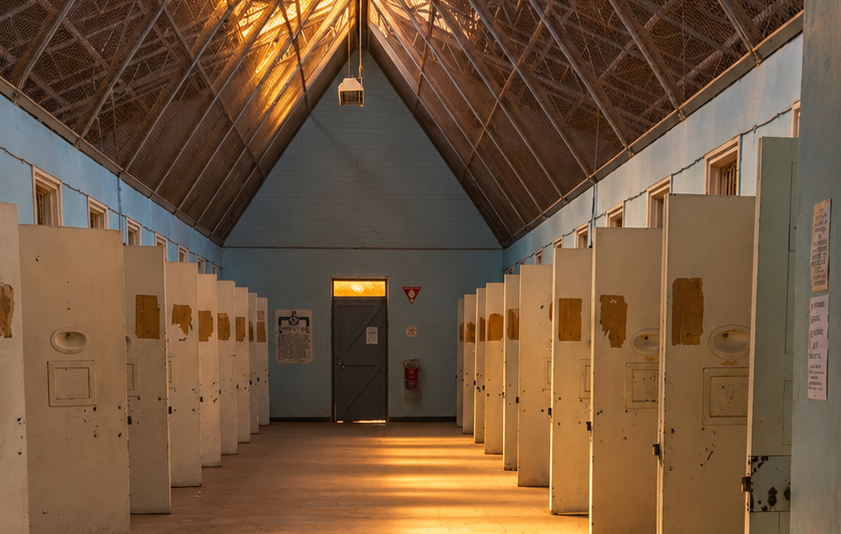
The Experimental Cells at Gladstone Gaol reveal a particularly stark side of prison life. Created in 1955 within a converted courtyard, these cells had no windows, fixed concrete sleeping shelves and limited ventilation through openings beneath the beds. Prisoners used night buckets for sanitation, and opportunities for exercise were restricted. Despite their unsettling name, “experimental” refers to the cell design and approach to confinement — there is no verified evidence of medical or scientific experiments on prisoners here.
06 / 07
B Block
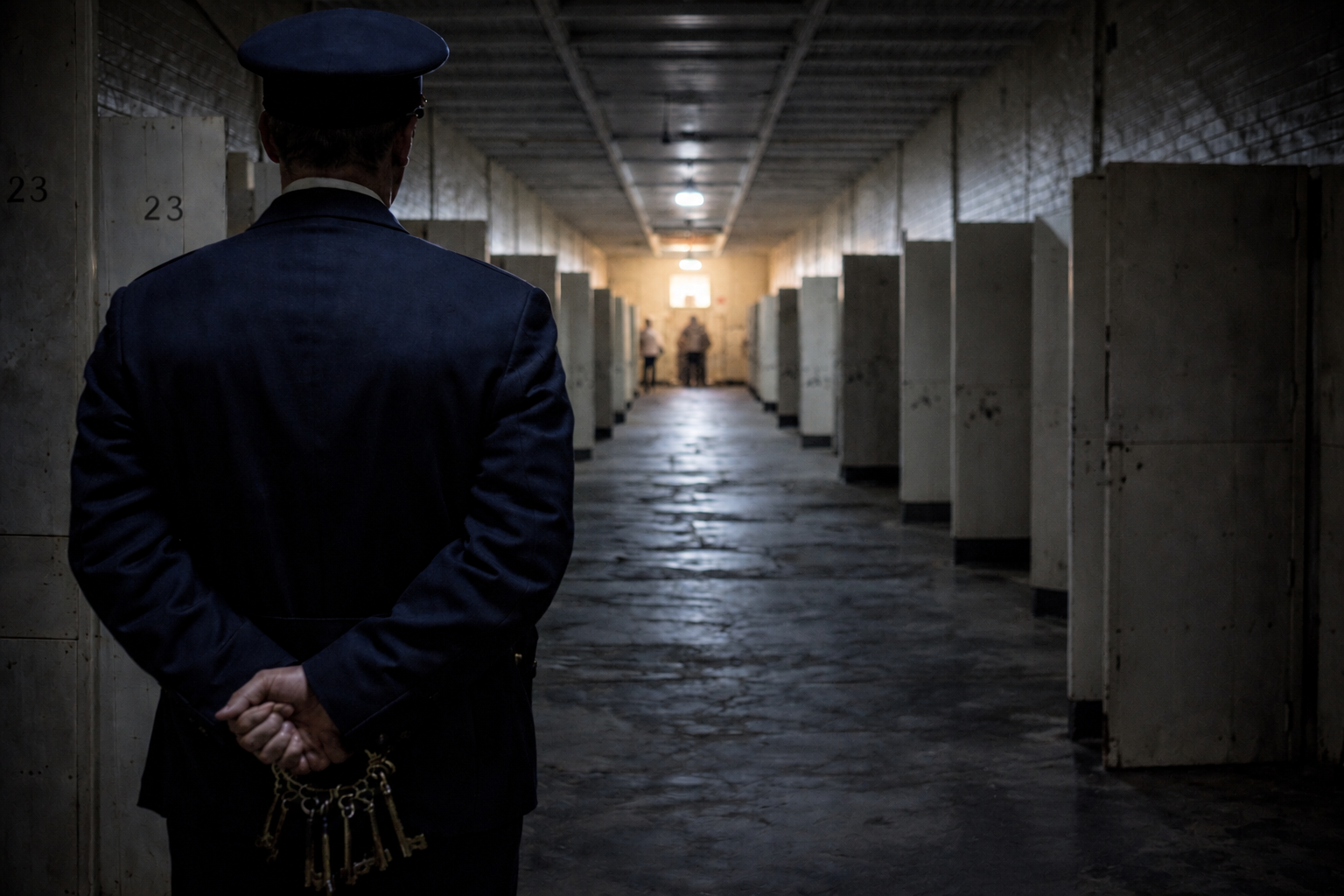
Step inside B Block at Gladstone Gaol, where unconvicted men awaited trial, a verdict or transfer. Life here was shaped by uncertainty, with prisoners waiting to discover whether they would return to their families or face further confinement. Cell 33, sometimes known as the “Condemned Cell”, has attracted its own legends. However, there is no evidence of gallows or executions at Gladstone Gaol. Today, visitors report sudden cold spots near Cell 33, slow, deliberate knocking from locked cells and the sound of footsteps pacing across stone floors — stopping just as someone approaches. These reported encounters add to B Block’s unsettling atmosphere, as though someone is still waiting to learn their fate.

07 / 07
The Chapel
The chapel at Gladstone Gaol provided a place for religious services within a tightly controlled prison routine. In the late nineteenth century, attendance at worship formed part of prison discipline, with prisoners expected to sit quietly under the watch of warders. Visiting clergy offered spiritual guidance, while religious instruction reflected the belief that faith and moral reflection could encourage reform. For prisoners, the chapel could represent comfort, obligation or a brief change from the isolation of their cells.
History, mystery and community
“Some places tell you history. Gladstone Gaol invites you inside it. Walk beyond the walls, discover the lives behind the locked doors, and leave with stories that stay with you long after the gates close.”
Book Your VisitGallery
Inside the stone walls
Explore the spaces and stories inside Gladstone Gaol.
The Warden’s House
The Morgue
A Block
Experimental Cells
B Block
The Chapel